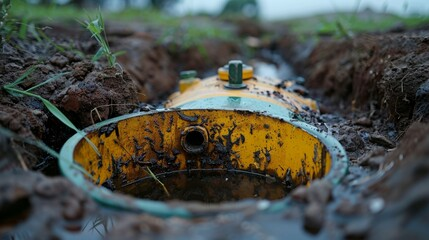
Most homeowners rarely think about their septic system until something goes wrong. It is easy to forget about what lies underground because the system quietly does its job every day without drawing attention. Yet this hidden system plays a critical role in managing wastewater and protecting the cleanliness of the home environment. When it works properly, everything flows smoothly. When it fails, however, the results can quickly become inconvenient and costly.
Septic service is an important part of maintaining a healthy wastewater system. Regular inspections, cleaning, and maintenance help ensure that the system continues operating efficiently. Without proper care, septic tanks can fill with waste, pipes can become clogged, and drainage areas can become overloaded. Understanding the importance of septic service allows homeowners to protect their property, prevent unexpected repairs, and maintain a safe living environment. With the right approach to maintenance, a septic system can continue functioning effectively for many years. Visit Website for more information.
Understanding How a Septic System Works
A septic system is designed to manage wastewater from a home when it is not connected to a centralized sewage network. Every time water flows down a sink, shower, or toilet, it travels through pipes that lead to the septic tank located underground.
The septic tank acts as the primary treatment area for wastewater. Inside the tank, solid materials settle to the bottom and form a layer known as sludge. Oils and lighter substances float to the top, forming a layer called scum. Between these layers lies partially treated liquid wastewater.
As wastewater remains inside the tank, natural bacteria begin breaking down organic matter. The liquid portion then flows out of the tank and into the drain field, where it slowly filters through the soil.
The soil acts as a natural treatment system that removes harmful substances before the water returns to the surrounding environment. This process works effectively as long as the septic system is properly maintained and not overloaded.
Why Septic Service Is Necessary
Septic systems operate continuously as wastewater moves through them each day. Over time, however, the sludge and scum layers inside the tank gradually build up. If these layers become too thick, they can interfere with the normal separation process that allows wastewater to flow out of the tank.
Without regular septic service, solids may begin entering the drain field. This can clog the soil and prevent wastewater from filtering properly. Once this occurs, the drain field may become saturated and unable to absorb additional water.
Routine septic service helps prevent this problem by removing accumulated sludge from the tank before it reaches a critical level. Cleaning and inspection also allow potential issues to be identified early before they develop into serious system failures.
Regular maintenance not only protects the septic system but also safeguards the surrounding soil and groundwater from contamination.
Signs That a Septic System Needs Service
Because septic systems are located underground, many homeowners may not notice problems until the system begins to show warning signs. Recognizing these signs early can help prevent more serious damage.
Slow draining sinks, showers, or toilets may indicate that the septic tank is becoming full or that pipes are beginning to clog. When wastewater cannot move through the system efficiently, it often drains more slowly throughout the home.
Unpleasant odors near drains or outside around the septic tank area may also signal that the system needs attention. These odors can occur when gases or wastewater escape due to buildup within the tank.
Another common sign is unusually lush or wet areas in the yard near the drain field. If wastewater is not being absorbed properly by the soil, moisture may appear on the surface.
When these symptoms appear, septic service should be scheduled to evaluate the system and restore proper operation.
The Septic Service Inspection Process
A typical septic service begins with a thorough inspection of the entire system. During this process, technicians locate the septic tank and examine its condition to determine whether maintenance is required.
The inspection often involves measuring the levels of sludge and scum inside the tank. These measurements help determine whether the tank needs to be pumped to remove accumulated waste.
Technicians may also inspect the pipes that connect the home to the septic tank. These pipes carry wastewater from the house, and any blockage or damage can interfere with proper system function.
The drain field is another important part of the inspection. This area must allow wastewater to disperse slowly through the soil. If the soil becomes compacted or saturated, the drain field may not function effectively.
Through careful inspection, septic service professionals can identify potential problems and recommend the best course of action.
Septic Tank Pumping and Cleaning
One of the most common septic services is pumping the tank to remove accumulated waste. Over time, the sludge and scum layers inside the tank grow thicker as solids continue to enter the system.
During pumping, specialized equipment removes these layers and transports the waste away from the tank. This process restores the tank’s ability to separate solids from wastewater effectively.
Cleaning the tank also provides an opportunity to inspect its interior surfaces. Cracks, leaks, or structural damage can be detected during this stage of the service process.
Removing accumulated waste helps prevent solids from reaching the drain field. By maintaining proper tank capacity, pumping supports the overall health of the septic system.
Regular pumping intervals depend on several factors, including household size and water usage patterns.
Protecting the Drain Field
The drain field is one of the most important components of a septic system. After wastewater leaves the septic tank, it flows into the drain field where it is gradually absorbed by the surrounding soil.
The soil acts as a natural filter that removes contaminants from the wastewater. For this process to work properly, the drain field must remain free from excessive waste buildup.
Septic service helps protect the drain field by ensuring that solids remain inside the septic tank where they can be removed during pumping. If solids enter the drain field, they may clog the soil and reduce its ability to absorb water.
Maintaining the drain field also involves protecting the area from heavy equipment or structures that could compact the soil. Healthy soil conditions allow wastewater to filter effectively and support long term system performance.
Long Term Benefits of Regular Septic Service
Routine septic service provides several benefits that contribute to the longevity and reliability of the wastewater system. One of the most important advantages is preventing costly repairs. Regular inspections and pumping help address small issues before they become major problems.
Maintaining the septic system also protects the environment. Properly functioning systems prevent untreated wastewater from contaminating soil and nearby water sources.
Another benefit is improved household convenience. When the septic system operates smoothly, homeowners avoid issues such as slow drains, unpleasant odors, or wastewater backups.
Over time these advantages help maintain a clean and safe living environment while preserving the value of the property.
Conclusion
Septic service is an essential part of maintaining a home wastewater system. Although the system operates quietly underground, it requires regular attention to function properly.
By understanding how septic systems work and recognizing the importance of routine inspections and pumping, homeowners can protect their property from unexpected failures. Regular maintenance ensures that wastewater is treated safely and that the drain field continues to perform effectively.
With consistent septic service and responsible water use, a septic system can provide reliable performance for many years. Taking care of this important system helps maintain both household comfort and environmental health.