Uncategorized

Inspiring Countertop Ideas to Transform Your Space

countertop design

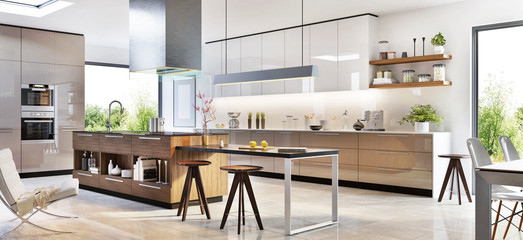
Countertops are more than just functional surfaces in kitchens, bathrooms, and workspaces—they are a key design element that defines the style, functionality, and overall appeal of a room. Choosing the right countertop requires balancing aesthetics, durability, and practicality. With an array of materials, finishes, and designs available, homeowners and designers have endless opportunities to create a space that is both beautiful and highly functional. Exploring innovative countertop ideas can help you achieve a cohesive, stylish look while optimizing performance for daily use.

Understanding Countertop Design

Countertop design involves selecting materials, colors, and finishes that complement the room’s décor while meeting functional needs. A well-chosen countertop enhances workflow, withstands wear and tear, and adds value to the property. Key factors in countertop design include:

  • Material Selection – Determines durability, maintenance, and visual appeal.
  • Color and Pattern – Influences the room’s ambiance and coordinates with cabinets, flooring, and walls.
  • Edge Profile – Adds subtle detail and contributes to safety and style.
  • Functionality – Considers heat resistance, scratch resistance, and ease of cleaning.
  • Integration – Seamlessly combines with sinks, backsplashes, and appliances for a unified look.

Thoughtful countertop design balances style and practicality, ensuring a lasting investment for the space.

Popular Countertop Materials

Selecting the right material is crucial for both aesthetics and functionality. Some popular options include:

  • Granite – Durable and heat-resistant, granite offers natural patterns and unique color variations, ideal for classic and high-end designs.
  • Quartz – Engineered for strength and low maintenance, quartz countertops provide uniform patterns and a modern appearance.
  • Marble – Known for elegance and sophistication, marble adds luxury with its natural veining, though it requires careful maintenance.
  • Butcher Block – Wooden countertops add warmth and character, perfect for farmhouse or rustic-inspired spaces, and can be refinished when worn.
  • Concrete – Customizable in shape, texture, and color, concrete countertops provide an industrial or contemporary look with durable performance.
  • Laminate – Affordable and versatile, laminate surfaces mimic natural materials and offer a wide range of colors and patterns.
  • Solid Surface – Seamless and non-porous, solid surface countertops are easy to clean and maintain, suitable for modern and minimalist designs.

Choosing the right material depends on lifestyle, design goals, and the specific requirements of the space.

Color and Pattern Ideas

Countertop colors and patterns significantly impact the room’s overall atmosphere. Consider these ideas:

  • Neutral Tones – Whites, grays, and beiges create a timeless, versatile foundation that complements most interior styles.
  • Bold Colors – Deep blues, greens, or blacks make a statement and add personality to contemporary spaces.
  • Natural Veining – Mimicking marble or granite veining adds elegance and visual interest.
  • Speckled and Textured Patterns – Provide depth and camouflage minor stains or scratches for high-traffic areas.
  • Contrasting Designs – Pairing light countertops with dark cabinets, or vice versa, creates a striking visual contrast.

Selecting colors and patterns that harmonize with cabinetry, flooring, and backsplash ensures a cohesive and visually appealing design.

Innovative Countertop Edge Profiles

The edge of a countertop adds subtle design details and affects safety and durability. Popular edge profiles include:

  • Straight Edge – Simple, clean, and modern, suitable for contemporary kitchens and bathrooms.
  • Beveled Edge – Angled edges create a refined look while reducing sharp corners.
  • Bullnose Edge – Rounded edges provide a soft, classic appearance and added safety.
  • Ogee Edge – Elegant and decorative, often used in traditional or luxury designs.
  • Chiseled Edge – Rough, natural-looking edges give rustic or artisanal appeal.

Choosing the right edge profile enhances both style and functionality while complementing the overall design theme.

Functional Considerations

Countertops are heavily used surfaces, so functionality is just as important as aesthetics. When planning countertop design, consider:

  • Durability – Ensure the material can withstand daily wear, heat, scratches, and stains.
  • Maintenance – Opt for materials that fit your cleaning habits and lifestyle.
  • Workspace Layout – Ensure adequate surface area for meal preparation, appliances, and accessories.
  • Integrated Features – Built-in sinks, cutting boards, or prep areas enhance efficiency.
  • Safety – Rounded edges, non-slip finishes, and heat-resistant surfaces contribute to a safer environment.

Balancing style and practicality ensures countertops are beautiful, usable, and long-lasting.

Creative Countertop Ideas

For homeowners looking to make a statement or elevate their space, creative countertop ideas include:

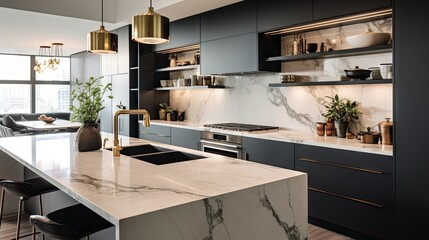
  • Waterfall Countertops – Extending material down the sides of the island or vanity creates a dramatic, modern look.
  • Mixed Materials – Combining wood, stone, or metal adds contrast and visual interest.
  • Integrated Lighting – LED lighting beneath countertop edges enhances ambiance and highlights textures.
  • Custom Patterns – Inlays, mosaics, or unique veining designs provide a one-of-a-kind appearance.
  • Eco-Friendly Options – Recycled glass, sustainable wood, or composite materials appeal to environmentally conscious homeowners.

These innovative designs offer ways to personalize a space and create a focal point that impresses guests and enhances functionality.

Maintaining Your Countertops

Proper maintenance ensures countertops remain beautiful and functional for years. General care tips include:

  • Regular Cleaning – Use gentle, non-abrasive cleaners to maintain surface quality.
  • Avoiding Heat Damage – Use trivets or hot pads under pots and pans to prevent burns.
  • Preventing Scratches – Cutting boards and mats protect surfaces from knives and heavy items.
  • Sealing Natural Stone – Granite and marble require periodic sealing to prevent stains and moisture penetration.
  • Immediate Spill Cleanup – Promptly clean spills, especially acidic substances, to prevent etching or staining.

Consistent care extends the life of countertops and preserves their aesthetic appeal.

Countertop design is a central aspect of interior design, impacting both aesthetics and functionality. By selecting the right materials, colors, patterns, edge profiles, and features, homeowners can create spaces that are visually stunning, practical, and long-lasting.

From classic stone countertops to innovative mixed-material designs, there are countless ideas to elevate kitchens, bathrooms, and workspaces. Balancing style, functionality, and maintenance ensures countertops enhance the overall design while meeting the demands of everyday use. Creative and thoughtfully designed countertops transform ordinary surfaces into beautiful, practical focal points that elevate the entire space.
Cabinet Refinishing

How Cabinet Refinishing Can Modernize Your Kitchen

San Jose Cabinet Refinishing

Even the highest-quality paint jobs show wear after a few years in a busy kitchen. Refacing provides a long-term solution that can withstand holiday feasts and weekday chaos. Refacing replaces cabinet doors and drawer fronts, but leaves the existing cabinet boxes intact. It’s a dramatic change and can dramatically transform your kitchen without the high cost of a complete remodel.

Save Money

San Jose Cabinet Refinishing costs significantly less than a full kitchen renovation, often 70-90% less. The process is faster and more efficient, requiring only days of work, rather than weeks or months. It also produces much less debris and disruption to your home. The final result is a dramatic visual upgrade, without the cost and stress of a major remodel.

Refinishing professionals can advise you on the latest trends and provide insights into stain or paint options that perfectly match your design vision. They’ll take into account your cabinets’ typical use and recommend a durable finish that can withstand moisture, heat and frequent cleaning. With proper care, your refreshed cabinets can last a lifetime.

Achieving a modern, updated look is an important goal for many homeowners. However, not everyone has the budget or time for a complete renovation. Whether your taste is sleek modern or cozy traditional, refinishing can give you the results you want at a price you can afford.

Cabinet refacing is another option for updating your cabinets, but it’s more expensive than refinishing and requires that you change your entire layout. This method uses wood, laminate or thermofoil material to cover existing cabinet boxes and transform their appearance. You’ll also need to replace your cabinet doors and drawer fronts, and install new hinges and hardware.

Refacing is a more sustainable option than full replacement, as it preserves most of the cabinet structure and diverts waste that would otherwise end up in landfills. However, it’s not as durable as refinishing and may require more frequent maintenance, such as repairing chips or scratches.

Faded or shabby cabinets are one of the first things potential home buyers notice, so they can dramatically decrease your home’s value on the market. Refinishing your cabinets can restore their original color and luster, boosting the perceived value of your property. Then, when you’re ready to sell, refinished cabinets can attract a wider audience of interested buyers and help you achieve a higher sale price. In addition, refinishing saves energy and resources by keeping existing structures in place. The only byproduct is a small amount of waste wood.

Save Time

Refinishing is an ideal solution for those looking to modernize their kitchen without the high cost of a full remodel. It’s significantly less expensive than replacing your cabinets and saves you money on materials, labor, and disposal. It also helps to extend the life of your cabinetry for up to 15 years and provides an attractive transformation that can boost your home’s resale value.

Achieving a professional-looking finish requires careful preparation, including cleaning the surfaces and using an appropriate solvent to remove grease and other grime from the surface. It’s important to use a non-toxic cleaner formulated for wood, and to avoid harsh chemicals that can strip the existing finish and cause future damage. It’s also crucial to carefully prep the area for painting, masking areas where needed and protecting the floors, backsplash, and countertop from paint splatters.

The refinishing process also includes sanding the surfaces to eliminate rough spots, old finishes, or imperfections, and applying several coats of primer and then paint. Professionals are experienced in preparing surfaces for paint and stain, and they have the tools and knowledge to ensure a smooth, even finish that will last for years.

It’s important to be realistic about how much time you can devote to a project like cabinet refinishing before hiring someone to help. Many homeowners try to save money by refinishing their own cabinets, but the job can be more time-consuming than expected and may result in poor results that require further work. Hiring a professional can save you money in the long run and ensure the job is done correctly.

While cabinet refacing requires the installation of brand-new cabinet doors and drawer fronts, refinishing only involves the surface of the existing cabinet boxes and the existing hardware. If your existing cabinet boxes are in good condition and you’re happy with the layout, refinishing is the more affordable option.

Before starting a cabinet refinishing project, make sure you’re aware of any hidden costs associated with the process, such as extra paint, additional materials, or disposal fees. It’s also important to choose a quality product that is compatible with your existing cabinets. Avoid using chemical-based cleaners that can strip the finish, as well as products that contain ammonia, bleach, or abrasives. Test the product on an inconspicuous area of your cabinet box to ensure it won’t damage or discolor the existing finish.

Save Energy

Choosing to refinish your cabinets instead of replacing them is a great way to upgrade your kitchen while also taking care of the environment. This option reduces waste by reusing existing materials rather than requiring the harvesting of new materials and the labor involved in their installation. It also cuts down on the emissions released into the air during the refinishing process.

Another benefit of refinishing is that it can be done in much less time than replacing cabinets. Cabinet replacement requires gutting the kitchen and installing brand-new cabinets, which is a more involved project that can take weeks or even months to complete. In contrast, cabinet refinishing can be completed in just days or weeks. This can cut down on the amount of time you spend without having access to your kitchen, which is a big selling point for many homeowners.

Refinishing your cabinets can be done with a wide range of colors and finishes, which gives you plenty of options when it comes to changing the look of your kitchen. However, it is important to properly prepare the cabinets before refinishing, which includes removing all hardware and cleaning the cabinets. This step is crucial for ensuring that the new finish will adhere correctly to the cabinets and last long. The best way to clean your cabinets is with a gentle cleaner and a cloth or sponge. Avoid using harsh chemicals or scrubbing pads, which could damage the finish and cause it to dull or discolor over time.

If you are thinking of refinishing your cabinets, be sure to use a refinisher that uses water-based paints and low-VOC products. VOCs are a huge source of pollution, as they release toxic fumes into the air that can harm your health over a period of months. Water-based refinishers, like N-Hance, offer a green alternative that does not emit any harmful VOCs and is better for your health and the environment.

If you are interested in a more drastic change to your kitchen, consider cabinet refacing. This option is more expensive than refinishing, but it can give your cabinets a completely different look and feel. It can be done with a variety of different materials, from solid wood to veneers, and can include changes to the layout.

Save Space

When it comes to kitchen remodels, there are many ways to upgrade your space. Cabinet refinishing and refacing are two of the most effective, affordable options to consider. Both approaches are less invasive than a full renovation, and they can save you money in the long run by avoiding costly mistakes that come with DIY projects.

Our team uses premium paints and techniques that ensure a smooth, durable finish that protects your cabinets against moisture, grease, and daily wear. We apply multiple thin coats rather than one thick application, resulting in an attractive, high-quality finish that resists chipping.

We use a protective sealer to protect your new finish from dirt, grease, and water, which extends the lifespan of your cabinets. Proper cleaning, avoiding harsh chemicals, and routine inspections can extend the life of your cabinets even further.

A fresh coat of paint or stain makes your cabinets look brand-new. And while refinishing is more affordable than replacing your cabinets, it still provides a significant return on investment, typically recouping 70%-80% of the cost at resale. Plus, refinishing reduces the amount of waste that ends up in landfills and minimizes demand for wood materials.

When choosing a color, consider the overall style and feel of your space. Darker colors like Espresso and Black create a modern and sleek aesthetic, while lighter shades such as White can instantly brighten your kitchen. You can also update your cabinet hardware to reflect the new look and style of your kitchen. For example, a switch from 1990s ceramic-and-brass knobs to sleek bar pulls can instantly modernize the space.

The timeframe for completing your refinishing project is significantly shorter than a complete replacement, meaning you’ll be able to get back to your regular schedule and begin enjoying your refreshed kitchen sooner. In fact, a full kitchen cabinet replacement can take up to a week or more to complete, leaving your home unusable for the duration of the project.

By refinishing your cabinets, you can avoid the mess and hassle of a major kitchen remodel without sacrificing quality or resale value. In fact, this is an ideal option for homeowners looking to update their kitchens while remaining within a strict budget or timeline. A modern, refreshed kitchen can leave a lasting impression on guests and potential buyers, boosting your property value.

Water Damage Restoration

Water Damage Restoration – From Damage to Repair

https://www.allproutah.com/

Water damage restoration is more than just mopping up puddles. It’s a comprehensive process designed to prevent lasting structural issues and stop mold growth.

Immediate actions include shutting off the water source, removing standing water, and drying affected areas. Depending on the severity of the situation, this can take hours to days. Visit https://www.allproutah.com/ for more information.

Inspection and Assessment

When a flood occurs, homeowners need to understand the restoration timeline to minimize long-term issues like mold growth and structural damage. This blog will explore factors that impact restoration timelines, break down the steps involved in the process, and give you a realistic understanding of how long it typically takes to restore a property in Dallas after water damage.

The first step in the restoration process is assessing the situation, including identifying and stopping the source of the water intrusion, removing standing water, and drying affected areas. Ideally, this should be done as quickly as possible to mitigate the severity of water damage and reduce the cost of repair. It’s also important to note that water damage can cause severe damage if it’s allowed to sit for even one week after the initial event, making prompt action critical.

Next, the professionals will thoroughly inspect and assess the damage to determine how extensive the repairs will be. In general, the more extensive the repair work required, the longer the restoration process will take. This will involve evaluating drywall, carpet, wood, and other porous materials for signs of damage like warping or buckling. It will also include assessing the structural integrity of the home to ensure it’s safe and sound.

Structural repairs can include replacing drywall, installing new flooring, and rebuilding sections of the house. Drying and dehumidification is an essential part of restoring a property after water damage, as it helps prevent mold and mildew growth that can lead to serious health problems for occupants. It will also help maintain the value of the property by minimizing long-term damage. This step can take up to a month, depending on the severity of the damage and how extensively the structures are impacted.

Water Extraction

Water damage is a real threat to your property and can be caused by any number of factors — from a burst pipe to severe flooding. In order to minimize damage and prevent long-term problems like mold and structural weakening, it’s critical that you act quickly. This means minimizing exposure, getting the affected materials dried and repaired as soon as possible, and calling professionals.

The first step in the water damage restoration process is inspection and assessment. Professionals use tools like moisture meters and infrared cameras to determine the scope of the water damage, categorize the type of water (clean, gray, or black), and assess any structural risks. This usually takes a few hours and will help inform the rest of the restoration plan.

Next, the team begins water extraction. Using industrial-grade pumps and vacuums, they remove standing water and dry out the affected areas. This can take a day or more, depending on the volume and complexity of the affected area.

Once the areas are pumped out and dehumidified, the restoration team will begin disinfecting and sanitizing the affected areas. They’ll use EPA-approved cleaning solutions and foggers to convert liquids into a vapor that kills germs and eliminates odors.

This step is crucial because it can stop microbial growth and other harmful bacteria from spreading. It can also save you money and time by preventing costly repairs later on down the line. This is especially important if the water comes from a category 3 flood, or “black water,” as it contains sewage and other contaminants that are dangerous to touch.

Structural Drying

The more time materials like carpet, furniture, and insulation spend absorbing water, the more damage they will sustain. Structural elements will weaken, and wood and metals will corrode. The appearance of the property will also suffer as porous materials absorb and stain. Mold growth begins within 24 hours of the initial water event and can quickly spread throughout the structure if not treated promptly.

Once the extent of the damage is determined, restoration professionals will develop a plan to minimize further loss. This will include determining the category of the water (clean, gray, or black) and assessing any potential structural risks. Moisture meters and thermal imaging cameras will help detect hidden moisture in walls, floors, and ceilings.

Structural drying is the most critical phase of water damage restoration. It involves removing standing water and ensuring all structural materials are completely dry to prevent additional damage, including warping, bowing, and mold growth. This process can take a few days to complete and requires specialized equipment.

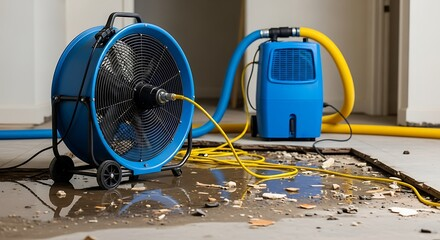
During this stage, professionals use flood extractors to remove large volumes of water at once, dehumidifiers to pull moisture out of the air, and air scrubbers to filter contaminants. Air movers are strategically positioned to create airflow patterns that maximize evaporation rates, while moisture testing helps ensure wet areas are dry before proceeding to the next step.

The duration of this step will depend on the size of the affected area, the amount of water removed, and the severity of the damage. A reputable restoration company will have the necessary tools and expertise to speed up this process as much as possible. Humid weather can slow down the drying process, and insurance coordination can also add to project timelines.

Cleaning and Sanitization

When water damage takes hold, the restoration process becomes a matter of urgency. The sooner the affected materials can be stopped, dried, and sanitized, the less damage they will sustain over time. The timeline for the entire water damage restoration process is influenced by the extent of the damage, the type of materials involved, and environmental factors like humidity.

After the water has been extracted and the property is dry, a professional cleaning crew disinfects surfaces and applies antimicrobial treatments to inhibit mold growth and odors. This is a necessary step to ensure that mold and bacteria do not spread, which can lead to additional structural damage and health concerns. This phase typically takes one to two days, depending on contamination levels and odors.

Structural repairs are required to restore a property’s integrity after the effects of water damage. This can involve minor cosmetic fixes or extensive reconstruction work. The repair phase can take a few days for small projects, but major restorations can take weeks or even months. The length of time needed depends on the scope of the project, the extent of the damage, and the availability of appropriate contractors.

Understanding the timeline for water damage restoration helps homeowners set realistic expectations about when their homes will be restored. Effective mitigation will greatly reduce the overall cost of restoration, and a well-established communication channel between contractors will make the process as smooth as possible. Contacting a professional restoration company immediately after water damage can prevent delays and maximize the efficiency of repairs. This is particularly important when a disaster like a sewage backup, flood, or severe storm occurs, as these events require immediate response and expert help.

Repairs

After water damage, it’s important to perform repairs as soon as possible. This protects property values and prevents further issues like mold growth, deteriorating foundations, and compromised electrical systems. It also keeps occupants safe by preventing health hazards and protecting personal belongings and heirlooms.

Immediate actions include addressing safety concerns, shutting off the power, and removing standing water. This can significantly accelerate the restoration process. It’s also critical to inspect the affected area for structural instability and damage. This often requires a visual assessment and may require moisture testing or other professional tools. Effective drying and dehumidification are vital in minimizing long-term damage. This includes the use of dehumidifiers, air conditioning, and ventilation to manage moisture levels.

During the repair and restoration process, professionals disinfect surfaces, clean salvageable materials, and apply antimicrobial treatments to protect against future issues. This typically takes a few days and may be combined with drywall, wood, and insulation restoration. Porous materials like carpet and drywall are more difficult to dry, and may need to be replaced entirely.

Severe water damage can also impact interior structures and appliances, requiring repair or replacement. This can significantly increase the length of time it takes to restore a home, and is often dependent on whether black water (Category 3) was involved, as this requires additional sanitation and disinfection.

Water damage can cause serious long-term problems if not addressed quickly by experienced and qualified restoration experts. It can compromise the structure of buildings and their supports, weaken or warp flooring, saturate carpeting and other porous materials, destroy furniture and other possessions, and affect indoor air quality. The right water restoration team can help to protect property value, ensure a successful insurance claim, and provide the fastest path to a full recovery.